
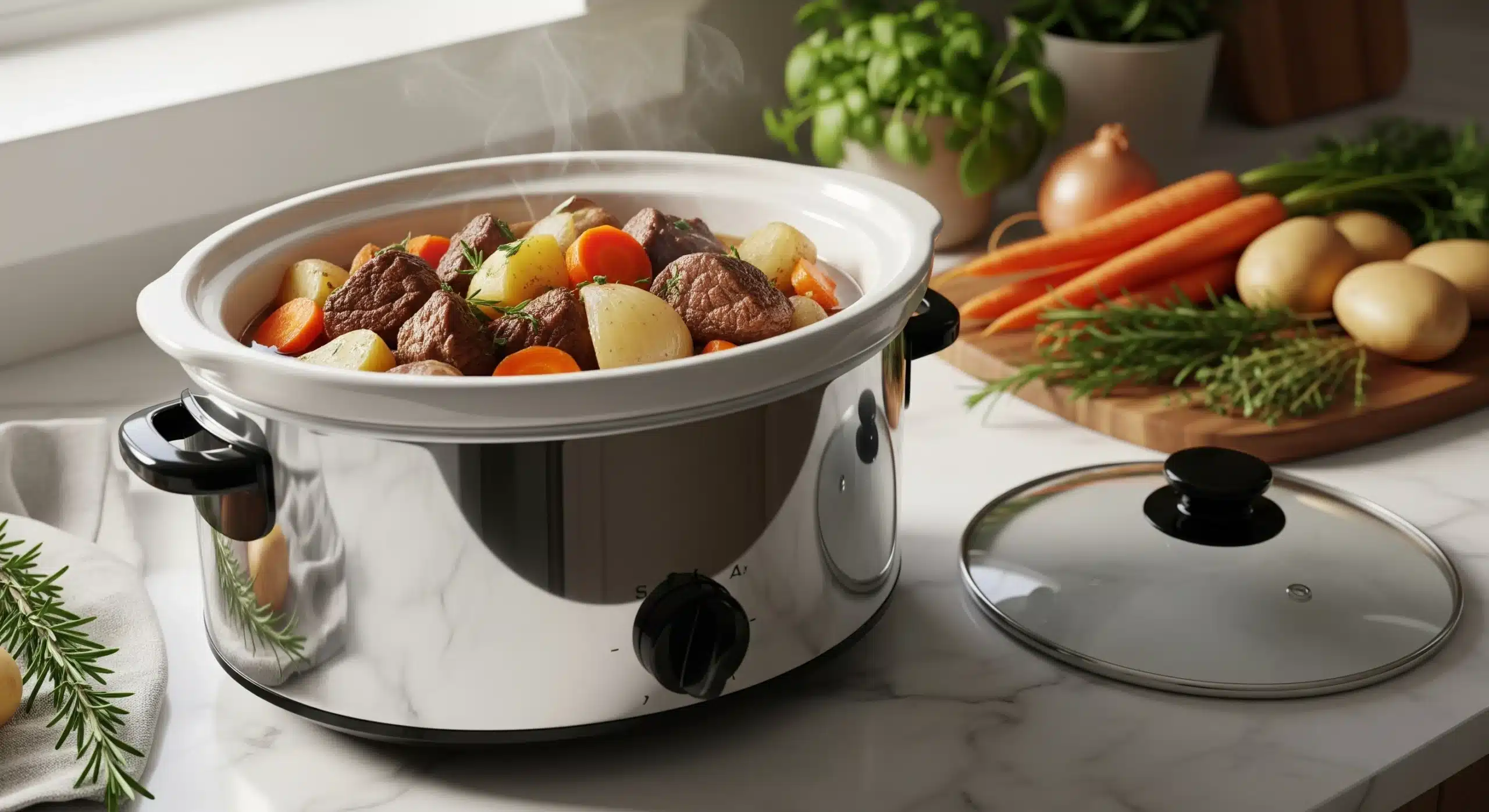
Crockpot Recipes: Flavorful Meals with Minimal Effort
Discover the magic of crockpot recipes that transform busy weeknights into stress-free culinary experiences. Slow cooker meals offer busy home cooks a simple solution for preparing delicious, home-cooked dinners without spending hours in the kitchen. Your crockpot becomes a kitchen superhero, turning basic ingredients into mouth-watering dishes with minimal effort.
Imagine coming home to a perfectly cooked meal that fills your kitchen with incredible aromas. Crockpot recipes make this dream a reality, allowing you to prep ingredients quickly in the morning and return to a fully prepared dinner. Whether you’re a novice cook or a seasoned chef, slow cooker meals provide an easy path to creating restaurant-quality dishes right in your own home.
Key Takeaways
- Crockpot cooking saves time and reduces daily meal preparation stress
- Slow cooker meals deliver deep, rich flavors with minimal hands-on cooking
- Perfect for busy individuals and families seeking convenient meal solutions
- Requires minimal cooking skills to create impressive dishes
- Versatile cooking method works with various ingredients and cuisines
Why Your Kitchen Needs a Crockpot: Benefits of Slow Cooking
Discovering the magic of easy crockpot dinners can transform your weeknight cooking experience. Slow cookers have become a kitchen essential for busy home cooks seeking convenient and delicious meal solutions.
Crockpots offer remarkable advantages that make preparing weeknight slow cooker dishes simpler and more enjoyable. These versatile appliances revolutionize home cooking by providing practical solutions for time-pressed families.
Time-Saving Advantages
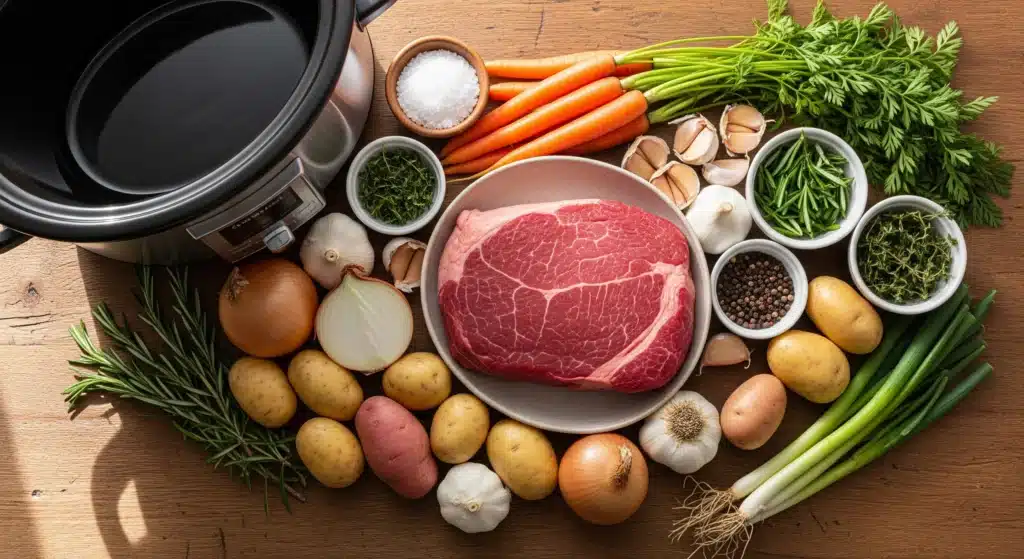
Your crockpot becomes a personal kitchen assistant that works while you’re away. Key time-saving benefits include:
- Prepare ingredients in the morning
- Return home to a fully cooked meal
- Minimal hands-on cooking time
- Reduced evening meal preparation stress
Energy Efficiency Benefits
Slow cookers consume significantly less electricity compared to traditional ovens. They generate minimal heat, making them an eco-friendly cooking option during warm months.
- Lower energy consumption
- Reduced kitchen temperature
- Cost-effective meal preparation
Enhanced Flavor Development
Slow cooking allows ingredients to blend and develop rich, complex flavors. The extended cooking process helps meats become tender while infusing dishes with deep, satisfying tastes.
- Meat becomes more tender
- Spices and herbs fully develop
- Consistent flavor distribution
Embracing crockpot cooking means enjoying delicious, hassle-free meals that fit seamlessly into your busy lifestyle.
Essential Equipment and Tools for Successful Slow Cooking
Diving into crockpot recipes requires the right tools to make your one-pot meals shine. Choosing the perfect slow cooker can transform your kitchen experience and elevate your cooking skills.
When selecting your crockpot, consider these key factors:
- Size matters: Choose a slow cooker that fits your household needs
- 2-3 quart for singles or couples
- 4-6 quart for small families
- 6-8 quart for larger gatherings
- Digital programmable models with timer settings
- Removable ceramic or stoneware inserts for easy cleaning
Essential accessories can make your crockpot cooking smoother and more enjoyable. Invest in a few key tools to upgrade your one-pot meals:
- Reliable meat thermometer
- Slow cooker liners for hassle-free cleanup
- Silicone utensils to prevent scratching
- Measuring cups and spoons
Your crockpot is an investment in delicious, stress-free cooking. Start with a versatile model that matches your cooking style and budget. Quality equipment ensures your crockpot recipes turn out perfectly every time.
Pro tip: Look for models with multiple heat settings and programmable features to expand your cooking versatility.
Understanding Basic Crockpot Cooking Techniques
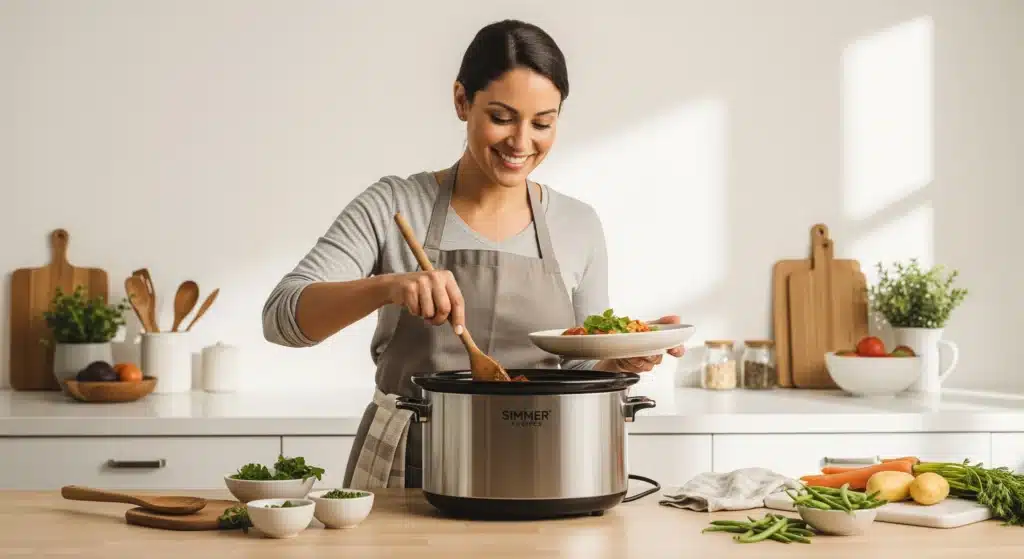
Mastering slow cooker meals requires understanding a few key techniques that transform ordinary ingredients into delicious, easy-to-prepare dishes. Dump and go recipes might seem simple, but knowing the right approach can elevate your cooking game significantly.
Crockpot cooking is more than just tossing ingredients into a pot. It’s an art that requires strategic preparation and understanding of how different components interact during the cooking process.
Temperature Settings and Timing
Your slow cooker typically offers two or three temperature settings:
- Low setting: Perfect for long, slow cooking (8-10 hours)
- High setting: Ideal for quicker meals (4-6 hours)
- Warm setting: Maintains temperature without further cooking
Layering Ingredients Properly
Successful slow cooker meals depend on strategic ingredient placement. Heavier, denser ingredients like root vegetables should go at the bottom, while delicate proteins and herbs sit on top.
- Place root vegetables first
- Add meat or protein
- Top with herbs and quick-cooking vegetables
Liquid Ratios and Management
Liquid management is crucial in dump and go recipes. Unlike traditional cooking, slow cookers require less liquid because they trap moisture. Typically, reduce liquid by about one-third compared to standard recipes.
Pro tip: Always leave some space at the top of your slow cooker to allow proper heat circulation and prevent overflow.
Must-Know Tips for Perfect Crockpot Recipes
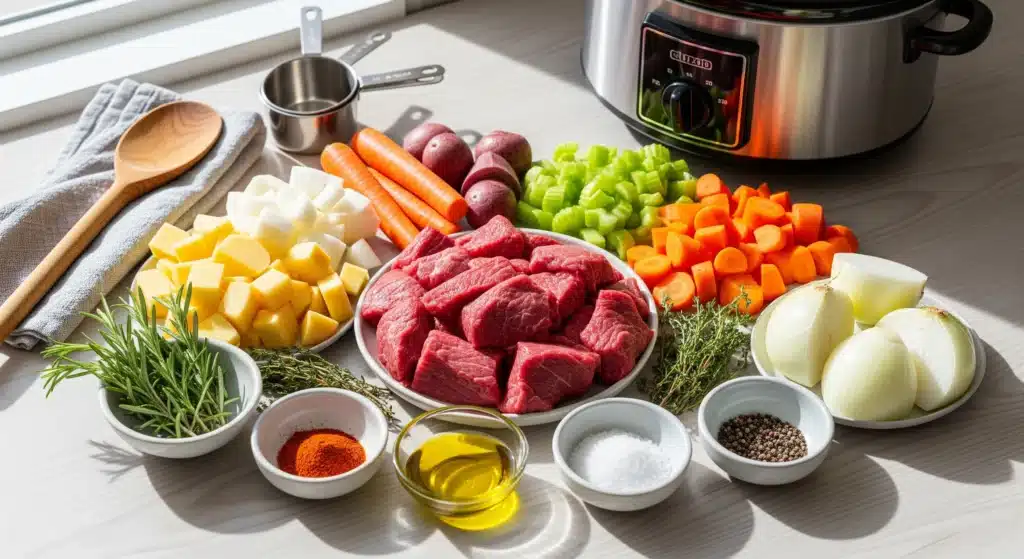
Mastering easy crockpot dinners requires some insider knowledge that can transform your slow cooking experience. Whether you’re a beginner or a seasoned home cook, these essential tips will help you create delicious crockpot recipes every time.
Ingredient timing is crucial when preparing crockpot recipes. Some ingredients need special attention to maintain their texture and flavor:
- Add delicate vegetables like peas or spinach during the last 30 minutes of cooking
- Place dairy products and cream-based ingredients near the end of the cooking cycle
- Cut meat into uniform pieces for even cooking
Liquid management plays a critical role in successful slow cooking. You’ll want to use just enough liquid to create moisture without drowning your ingredients. Pro tip: Always reduce the amount of liquid you’d typically use in traditional cooking, as crockpots seal in moisture.
To prevent bland dishes, consider these seasoning strategies for your crockpot recipes:
- Use fresh herbs instead of dried when possible
- Layer seasonings throughout the cooking process
- Wait to add salt until the end to prevent toughening meat
For thickening sauces in easy crockpot dinners, cornstarch or flour can be your best friends. Mix a small amount with cold water before adding to the pot during the last hour of cooking. This technique helps create rich, velvety textures without lumps.
The secret to great slow cooking is patience and understanding your ingredients.
Popular Crockpot Recipes for Beginners
Diving into crockpot comfort food can seem intimidating, but these beginner-friendly slow cooker meals will help you build confidence in the kitchen. Whether you’re a novice cook or looking to simplify your meal preparation, these recipes offer delicious results with minimal effort.
Slow cooker meals are perfect for busy home cooks who want to enjoy hearty, flavorful dishes without spending hours in the kitchen. Let’s explore some easy recipes that will transform your cooking experience.
Classic Pot Roast
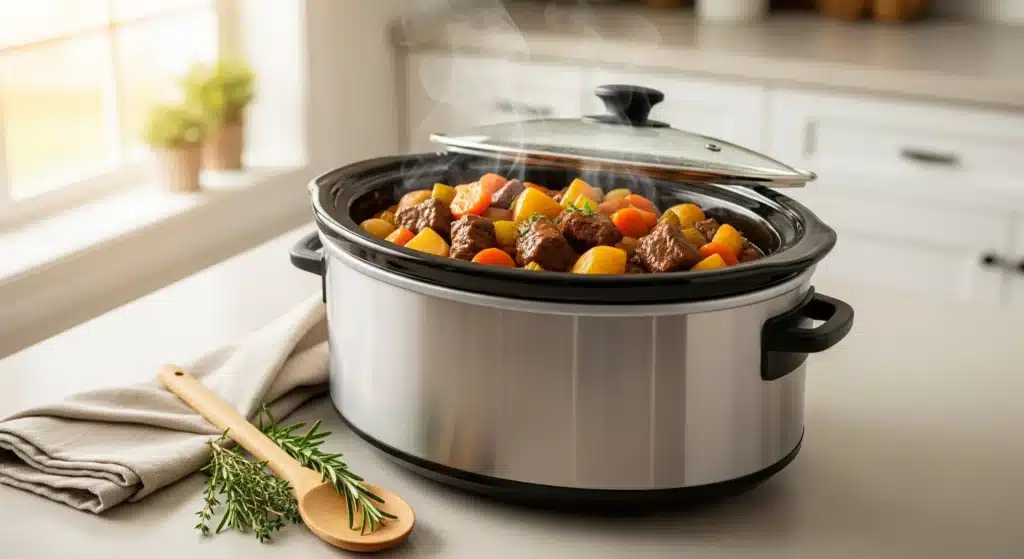
The ultimate crockpot comfort food, pot roast is a foolproof recipe for beginners. Here’s a simple approach:
- Choose a chuck roast with good marbling
- Season generously with salt and pepper
- Add root vegetables like carrots and potatoes
- Cook on low for 8 hours until meat is tender
“A perfect pot roast melts in your mouth and fills your home with irresistible aromas.” – Home Cooking Magazine
Simple Chicken Dishes
Chicken transforms beautifully in a slow cooker. Try these easy options:
- Salsa Chicken: Combine chicken breasts with salsa and taco seasoning
- Honey Garlic Chicken: Mix chicken with honey, garlic, and soy sauce
- Creamy Chicken Soup: Add cream cheese for a rich texture
Basic Vegetarian Options
Vegetarians can enjoy delicious slow cooker meals too. Consider these plant-based recipes:
- Black bean chili
- Lentil curry
- Vegetable minestrone soup
These recipes prove that crockpot comfort food isn’t just about meat. With a few simple ingredients, you can create satisfying vegetarian meals that everyone will enjoy.
Healthy Slow Cooker Meal Ideas
Transforming your diet doesn’t mean sacrificing flavor or convenience. Healthy slow cooker recipes offer a perfect solution for nutritious meals that fit your busy lifestyle. One-pot meals can be both delicious and packed with essential nutrients, making your crockpot an invaluable kitchen tool for wellness-focused cooking.
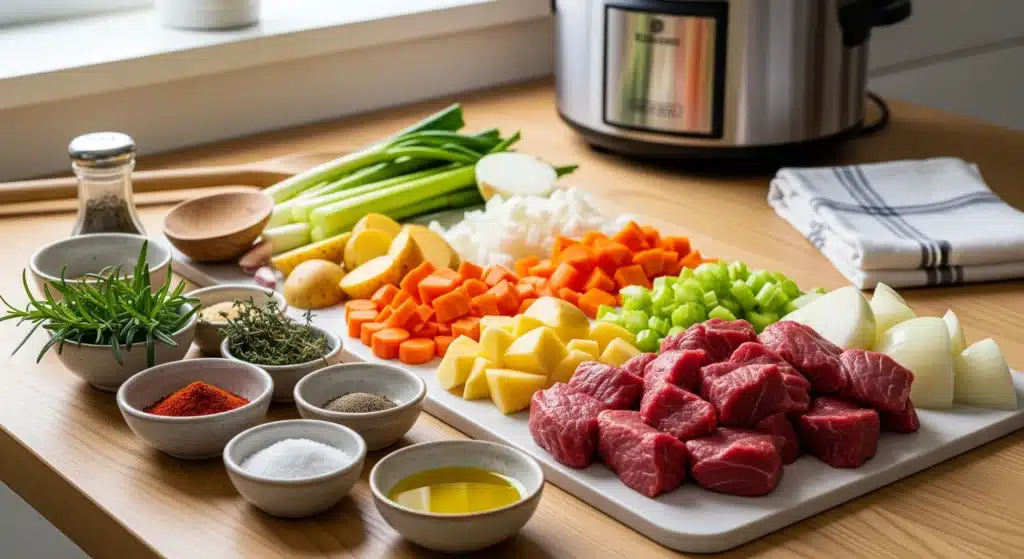
Creating nutritious meals becomes effortless with these smart strategies:
- Choose lean proteins like chicken breast, turkey, or fish
- Incorporate plenty of colorful vegetables
- Use herbs and spices instead of excess salt
- Select whole grain ingredients for added nutrition
Your crockpot opens up incredible possibilities for healthy eating. Vegetable-rich stews, protein-packed chicken dishes, and nutrient-dense bean recipes can all be prepared with minimal effort. The slow cooking process helps retain vitamins and minerals while developing deep, rich flavors.
Some standout healthy slow cooker recipes include:
- Quinoa and black bean chili
- Lean turkey vegetable soup
- Mediterranean chicken with roasted vegetables
- Lentil and spinach curry
By focusing on whole food ingredients and smart cooking techniques, you can turn your crockpot into a powerful tool for maintaining a balanced diet. These one-pot meals prove that healthy eating can be both simple and delightful.
Budget-Friendly Crockpot Dishes
Crockpots are secret weapons for creating delicious weeknight slow cooker dishes without breaking the bank. These magical kitchen appliances help you transform inexpensive ingredients into mouthwatering meals that can save you significant money on food expenses.
Cooking budget-friendly crockpot meals doesn’t mean sacrificing flavor or nutrition. With smart planning and strategic ingredient selection, you can enjoy tasty, economical dishes that feed your family without straining your wallet.
Money-Saving Ingredient Choices
Smart ingredient selection is crucial for affordable slow cooking. Consider these budget-friendly protein and produce options:
- Tough, less expensive cuts of meat like chuck roast or chicken thighs
- Dried beans instead of canned varieties
- Seasonal vegetables from local farmers markets
- Frozen vegetables as cost-effective alternatives
Bulk Cooking Strategies
Maximize your crockpot’s potential by implementing bulk cooking techniques. Preparing large batches of meals can dramatically reduce your overall food costs and provide convenient leftovers for multiple meals.
- Cook large portions and freeze individual servings
- Plan meals that easily scale up in quantity
- Use similar base ingredients across multiple recipes
Leftover Management
Transform your leftover crockpot meals into exciting new dishes. Repurposing ingredients prevents food waste and keeps your meals interesting and cost-effective.
- Shredded meats can become tacos, sandwiches, or salad toppings
- Leftover stews can be transformed into pot pies
- Use vegetable remnants in soups or frittatas
Seasonal Crockpot Cooking Guide
Elevate your slow cooker meals throughout the year by embracing seasonal ingredients and flavors. Your crockpot can be a versatile kitchen companion that adapts to every season’s unique culinary landscape.
Winter calls for hearty crockpot recipes that warm you from the inside out. Think rich beef stews, creamy potato soups, and tender pot roasts packed with root vegetables. These slow cooker meals provide comfort during the coldest months, transforming simple ingredients into deeply satisfying dishes.
- Winter Favorites:
- Beef and Barley Stew
- Butternut Squash Soup
- Pulled Pork with Warming Spices
Spring brings lighter, fresher crockpot recipes featuring tender greens and early vegetables. Chicken dishes with lemon and herbs, vegetable-packed minestrone, and delicate fish preparations shine during this season of renewal.
Summer invites BBQ-inspired slow cooker meals that keep your kitchen cool. Pulled chicken, tender ribs, and vibrant vegetable medleys capture the essence of outdoor cooking without heating up your entire home.
- Summer Slow Cooker Highlights:
- Pulled BBQ Chicken
- Tangy Pulled Pork
- Mediterranean Vegetable Ragu
Autumn transforms your crockpot into a hub of comforting meals. Pumpkin chili, apple-infused pork roasts, and hearty vegetable stews capture the season’s warm, rich flavors. Your slow cooker becomes the perfect tool for creating meals that celebrate fall’s bountiful harvest.
Troubleshooting Common Slow Cooking Issues
Crockpot recipes can sometimes present unexpected challenges, but don’t let that discourage you from creating easy crockpot dinners. Even experienced home cooks encounter occasional cooking hiccups that can be quickly resolved with the right knowledge.
Mastering your slow cooker requires understanding potential pitfalls and how to address them effectively. Knowing how to prevent and fix common issues will help you become more confident in preparing delicious meals.
Preventing Overcooking
Overcooking is a frequent concern with crockpot recipes. To avoid dry or tough meals:
- Use the appropriate temperature setting
- Check meat temperatures periodically
- Select cuts of meat with higher fat content
- Avoid cooking lean meats for extended periods
Fixing Texture Problems
Texture can make or break your easy crockpot dinners. When facing consistency issues:
- Add thickeners like cornstarch or flour for runny sauces
- Remove lid during the last hour to reduce excess moisture
- Cut ingredients into uniform sizes for even cooking
Adjusting Seasoning
Slow cooking can sometimes mute flavors. Enhance your crockpot recipes by:
- Adding fresh herbs near the end of cooking
- Using robust spices that withstand long cooking times
- Tasting and adjusting seasonings before serving
- Balancing flavors with acid (like vinegar or citrus)
With practice, you’ll develop the skills to create perfectly prepared slow-cooked meals every time.
Make-Ahead and Freezer-Friendly Crockpot Meals
Streamline your weeknight cooking with smart dump and go recipes that make meal preparation a breeze. Slow cooker dishes can be a game-changer for busy families looking to save time and reduce kitchen stress.
Preparing meals in advance transforms your crockpot into a true kitchen superhero. You can spend just one afternoon prepping multiple weeknight slow cooker dishes that will keep your family well-fed throughout the week.
- Prepare freezer-friendly meal kits on weekends
- Label bags with cooking instructions and date
- Freeze ingredients in portion-sized containers
- Keep ingredients organized in clear zip-lock bags
Freezing meals doesn’t mean compromising flavor. Select recipes with hearty ingredients like root vegetables, tough cuts of meat, and robust seasonings that maintain their taste after freezing. Proteins like chicken, beef, and pork work exceptionally well in make-ahead crockpot meals.
Pro tip: When freezing meals, remove as much air as possible from storage bags to prevent freezer burn. Thaw meals overnight in the refrigerator for best results, ensuring food safety and optimal texture.
Smart meal preparation can save you up to 5 hours of cooking time each week!
- Freeze meals for up to 3 months
- Always use airtight containers
- Write cooking date on each container
Embrace these strategies to transform your weeknight cooking routine. With a little planning, you can enjoy delicious, home-cooked meals without daily kitchen stress.
Conclusion
Slow cooker meals have transformed home cooking, offering an effortless approach to creating delicious dishes with minimal work. By exploring crockpot recipes, you’ve discovered a game-changing cooking method that saves time, energy, and delivers rich, developed flavors in every bite.
Your journey into crockpot cooking opens up a world of culinary possibilities. Whether you’re a busy professional, a home cook seeking convenience, or someone passionate about exploring new recipes, these slow cooker meals provide an accessible way to prepare nutritious and tasty meals without spending hours in the kitchen.
The techniques and strategies shared throughout this guide will help you master crockpot recipes with confidence. Start experimenting with different ingredients, techniques, and flavor combinations. Remember that practice makes perfect, and each meal you prepare will enhance your skills and understanding of this versatile cooking method.
Embrace the simplicity and creativity of crockpot cooking. Your kitchen is now equipped with the knowledge to transform ordinary ingredients into extraordinary meals that will impress family and friends. Your slow cooker is more than an appliance—it’s your secret weapon for delicious, stress-free cooking.
FAQ
What size crockpot should I buy for my family?
The right crockpot size depends on your household. For 1-2 people, a 2-3 quart slow cooker works great. Families of 3-5 should opt for a 4-6 quart model, while larger families or those who love leftovers might prefer a 6-7 quart crockpot. Consider your cooking habits and storage space when making your selection.
Can I leave my crockpot on while I’m at work?
Most modern crockpots are designed for safe all-day cooking. Use the low setting for longer cooking times (8-10 hours), and make sure your appliance is in good condition. Always place it on a heat-resistant surface, ensure the cord is in good shape, and avoid leaving it near flammable materials.
Are crockpot meals healthy?
Absolutely! Crockpot cooking can be very healthy. Slow cooking helps retain nutrients, allows you to use less fat, and makes it easy to incorporate plenty of vegetables and lean proteins. You have full control over ingredients, making it easier to create nutritious, wholesome meals.
Can I convert regular recipes to crockpot recipes?
Yes! Most recipes can be adapted for slow cooking. Generally, reduce liquid by about 1/3, as less evaporation occurs in a crockpot. Tough cuts of meat work best, and you’ll want to add delicate vegetables later in the cooking process. Experiment and adjust as you go!
How do I prevent my meals from becoming watery?
To avoid excess liquid, use less water than in traditional recipes, drain canned vegetables, and consider thickening sauces with cornstarch or flour in the last hour of cooking. You can also remove the lid for the last 30 minutes to help reduce excess moisture and concentrate flavors.
What are the best meats for crockpot cooking?
Tougher, less expensive cuts work best in a slow cooker. Think chuck roast, pork shoulder, chicken thighs, and beef brisket. These meats become incredibly tender and flavorful when cooked low and slow. They’re not only delicious but also budget-friendly!
How can I adapt vegetarian recipes for my crockpot?
Vegetarian crockpot cooking is fantastic! Focus on hearty vegetables, legumes, and grains. Use ingredients like beans, lentils, sweet potatoes, and quinoa that hold up well to long cooking times. Add delicate vegetables like spinach or fresh herbs in the last 30 minutes of cooking.
Can I prep crockpot meals in advance?
Meal prepping with a crockpot is a game-changer! You can prepare ingredients the night before, store them in a container or freezer bag, and simply dump them into the crockpot in the morning. Many recipes can be fully prepped ahead of time and frozen for later use.
How do I clean my crockpot?
Most crockpot inserts are dishwasher-safe. For stubborn stuck-on food, soak the insert in warm, soapy water. For tough stains, create a paste with baking soda and water, let it sit, then scrub gently. Always ensure the ceramic insert is completely cool before cleaning.
Are crockpots energy-efficient?
Yes! Crockpots use much less electricity than traditional ovens. A typical slow cooker uses about 200 watts on low setting, compared to an oven’s 2,000-5,000 watts. This makes them an eco-friendly and cost-effective cooking method for budget-conscious home cooks.
Crockpot Pot Roast
Equipment
- 1 6-quart crockpot Preferably programmable for easy cooking
- 1 Cutting board For chopping vegetables
- 1 Chef's knife Sharp for slicing
- 1 Measuring cups To measure liquids
- 1 Meat thermometer Ensures perfect doneness
Ingredients
- 3 lb chuck roast trimmed of excess fat
- 2 tablespoons olive oil
- 1 teaspoon salt or to taste
- ½ teaspoon black pepper freshly ground
- 1 cup low-sodium beef broth
- 1 cup red wine optional, for added flavor
- 4 carrots cut into large chunks
- 4 potatoes quartered
- 1 onion sliced
- 3 cloves garlic minced
- 2 sprigs fresh thyme
- 1 tablespoon cornstarch optional, for thickening sauce
Instructions
- Prepare the meat: Season the chuck roast generously with salt and pepper.
- Sear for flavor: Heat olive oil in a skillet over medium-high heat. Sear the roast on all sides until golden brown.
- Layer ingredients: Place carrots, potatoes, onion, and garlic at the bottom of the crockpot. Set the roast on top.
- Add liquids: Pour in beef broth and red wine. Add thyme sprigs on top.
- Cook low and slow: Cover and cook on Low for 8 hours or High for 4–5 hours, until beef is tender and vegetables are cooked through.
- Thicken (optional): Remove ½ cup of cooking liquid, mix with cornstarch, and stir back into the crockpot during the last 30 minutes.
Notes
- For added richness, stir in 1 tablespoon of Worcestershire sauce before cooking.
- Leftovers can be stored in an airtight container for up to 4 days or frozen for 3 months.
- Try substituting sweet potatoes or parsnips for a unique twist.